
Understanding the psychological factors that influence gambling behavior
Understanding the psychological factors that influence gambling behavior
The Role of Motivation in Gambling
Motivation serves as a crucial element in understanding gambling behavior. Individuals often gamble for various reasons, such as the thrill of winning, socialization, or even the desire to escape reality. These motivations can be broadly categorized into intrinsic and extrinsic factors. For instance, intrinsic motivations may include personal enjoyment or satisfaction, while extrinsic motivations could involve monetary gain or peer pressure. Many find themselves exploring options at best non gamstop casinos uk for an enhanced gambling experience.
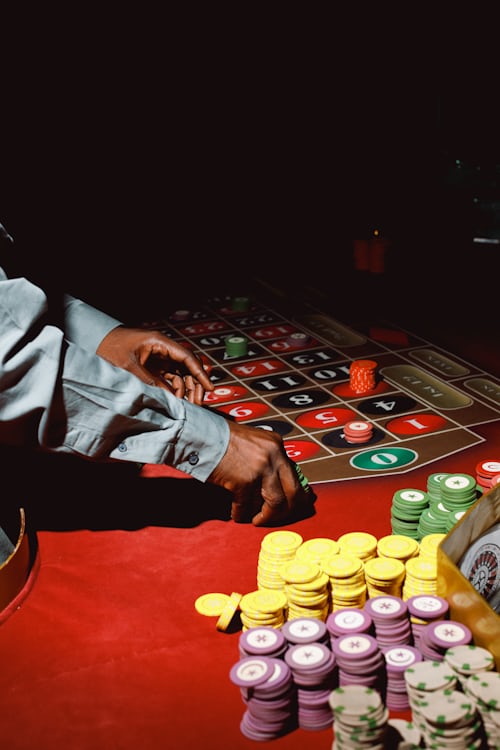
The psychological need for excitement and risk can also drive people to gamble. This need can be compounded by the allure of high-stakes environments, where the potential for large payouts can overshadow the risks involved. Understanding these motivations is essential for both individuals and professionals aiming to address gambling addiction and behavioral issues.
The Influence of Cognitive Biases
Cognitive biases play a significant role in shaping gambling behavior. Gamblers often fall prey to misconceptions about odds, leading them to believe they have more control over outcomes than they truly do. For example, the “gambler’s fallacy” suggests that past losses increase the likelihood of future wins, which can prompt individuals to continue gambling even when their chances are not favorable.
Moreover, availability heuristic affects how gamblers perceive risks. When individuals witness significant wins, they may overestimate the likelihood of similar outcomes for themselves. This skewed perception can perpetuate gambling behavior, as people may chase losses or continue playing despite negative consequences.
The Impact of Emotional Factors
Emotional states significantly influence gambling decisions. Many individuals turn to gambling as a coping mechanism for stress, anxiety, or depression. The temporary relief that gambling can provide may create a cycle of dependency, where individuals feel compelled to gamble to manage their emotions.
Additionally, the emotional highs associated with wins can reinforce gambling behavior, leading to a desire for repeated experiences. This emotional rollercoaster can make it challenging for individuals to recognize when their gambling has become problematic, further entrenching them in their habits.
The Role of Social Environment
The social environment in which an individual exists can profoundly impact their gambling behavior. Factors such as peer influence, cultural norms, and familial attitudes towards gambling can shape how individuals perceive and engage in gambling activities. In communities where gambling is normalized or celebrated, individuals may feel more inclined to participate.
Moreover, social gatherings often incorporate gambling as a form of entertainment, blurring the lines between casual enjoyment and compulsive behavior. Understanding the societal context can help in developing strategies to combat gambling addiction, emphasizing the need for supportive environments that promote healthier leisure activities.

Engaging with BN1 Magazine for More Insights
BN1 Magazine serves as a valuable resource for individuals seeking to understand the complexities of gambling behavior and its underlying psychological factors. With engaging articles and in-depth features, the publication aims to foster a sense of community while addressing pertinent issues such as gambling addiction.
By exploring the rich content offered by BN1 Magazine, readers can gain insights that not only inform their understanding of gambling behavior but also promote a sense of belonging within the vibrant BN1 community. This connection is crucial for those looking to engage with meaningful discussions and support systems related to gambling.

Leave a Reply